
Orbit 60 vs 3500: What Changes for Machinery Protection Engineers
What Orbit 60 changes compared with the 3500: architecture, configuration, alarming, self-diagnostics and cybersecurity, and when to choose each platform.

A practical guide to selecting vibration monitoring: equipment types, criticality assessment, stationary versus portable systems, and integration.

Choosing a vibration monitoring system is one of the most critical decisions for ensuring plant reliability. A mistake at this stage is costly: either you overpay for unnecessary functionality, or you end up with a system that doesn't meet your actual needs. In this article, we break down what to look for when making your choice.
The first question is: which machines do you want to protect? This is fundamentally important because different types of equipment require different monitoring approaches.
Turbines, compressors, and high-power pumps require continuous stationary monitoring systems — such as Bently Nevada 3500 or Orbit 60. These systems operate in real time and respond instantly to any deviation from normal conditions.
Auxiliary equipment — fans, gearboxes, small pumps — can often be monitored periodically using portable vibration analyzers or the Orbit DCM.

Ask yourself a simple question: what happens if this machine stops unexpectedly?
If the answer is a full production shutdown, fire, or an incident with casualties — this is critical equipment. It requires a system with automatic protection and emergency shutdown capabilities. The API 670 standard defines the minimum requirements for such systems.
If the equipment has a backup or its shutdown is not critical — a monitoring-only system without protection functionality may be sufficient.
Stationary systems (Bently Nevada 3500, Orbit 60) are installed permanently. They provide continuous 24/7 monitoring, store trend data, and automatically alert on deviations. This is the optimal choice for critical equipment.
Portable systems and periodic rounds are suitable for auxiliary equipment. An engineer with a vibration analyzer takes readings once a month and tracks trends in System 1. This is significantly more cost-effective, but requires discipline in maintaining regular inspection rounds.
A combined approach — stationary systems on critical machines plus periodic monitoring on the rest — is the most common and economically justified solution.

A monitoring system does not operate in isolation — it must integrate into the overall plant management system. Clarify the following in advance:
Does the plant have a DCS or SCADA system? Bently Nevada has ready-made interfaces for integration with most popular platforms.
What software will be used for data analysis? System 1 Evolution by Bently Nevada is one of the most powerful solutions for vibration data analysis and asset management.
Who will maintain the system? If the plant has no vibration diagnostics specialists — factor in the cost of personnel training or outsourcing diagnostics.
A properly selected vibration monitoring system pays for itself in the first year of operation — by preventing just one serious failure. If you are unsure which system is right for your plant — contact our specialists. We will conduct a free audit and recommend the optimal solution.
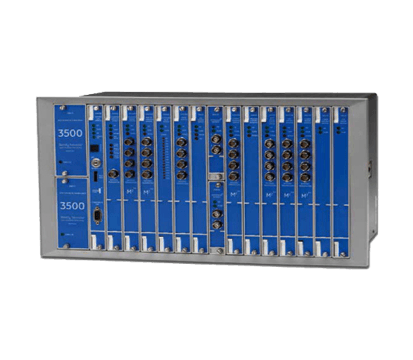
The industry-standard machinery protection system for critical rotating equipment, delivering continuous API 670-compliant monitoring and automatic shutdown protection.
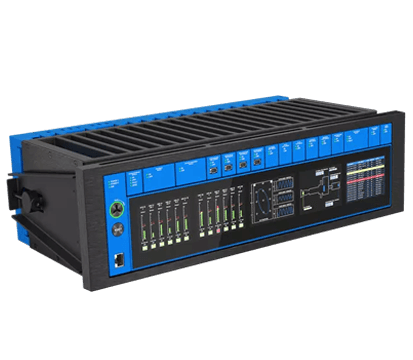
The next-generation Bently Nevada protection and condition monitoring platform, combining protection and prediction in a single cyber-secure system.
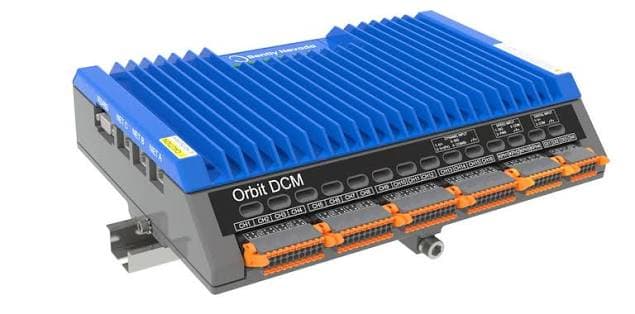
A data collection module that adds high-resolution online condition monitoring to new or existing Bently Nevada protection installations.
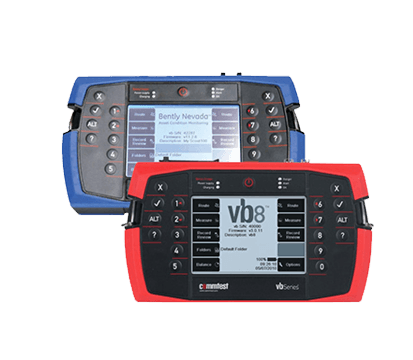
Rugged handheld vibration data collectors and analyzers for route-based monitoring, field balancing and troubleshooting of rotating machinery.
Bently Nevada’s enterprise condition monitoring and diagnostics platform for fleet-wide asset health, combining data from online systems, portable devices and process historians.
What Orbit 60 changes compared with the 3500: architecture, configuration, alarming, self-diagnostics and cybersecurity, and when to choose each platform.

How to set up thrust protection: float zones, two ways to set zero, setpoints from babbitt thickness and five field checks for when the alarm trips.

A Bently Nevada case study: why frame vibration alone cannot diagnose a reciprocating compressor, and what cylinder pressure and rod position add.